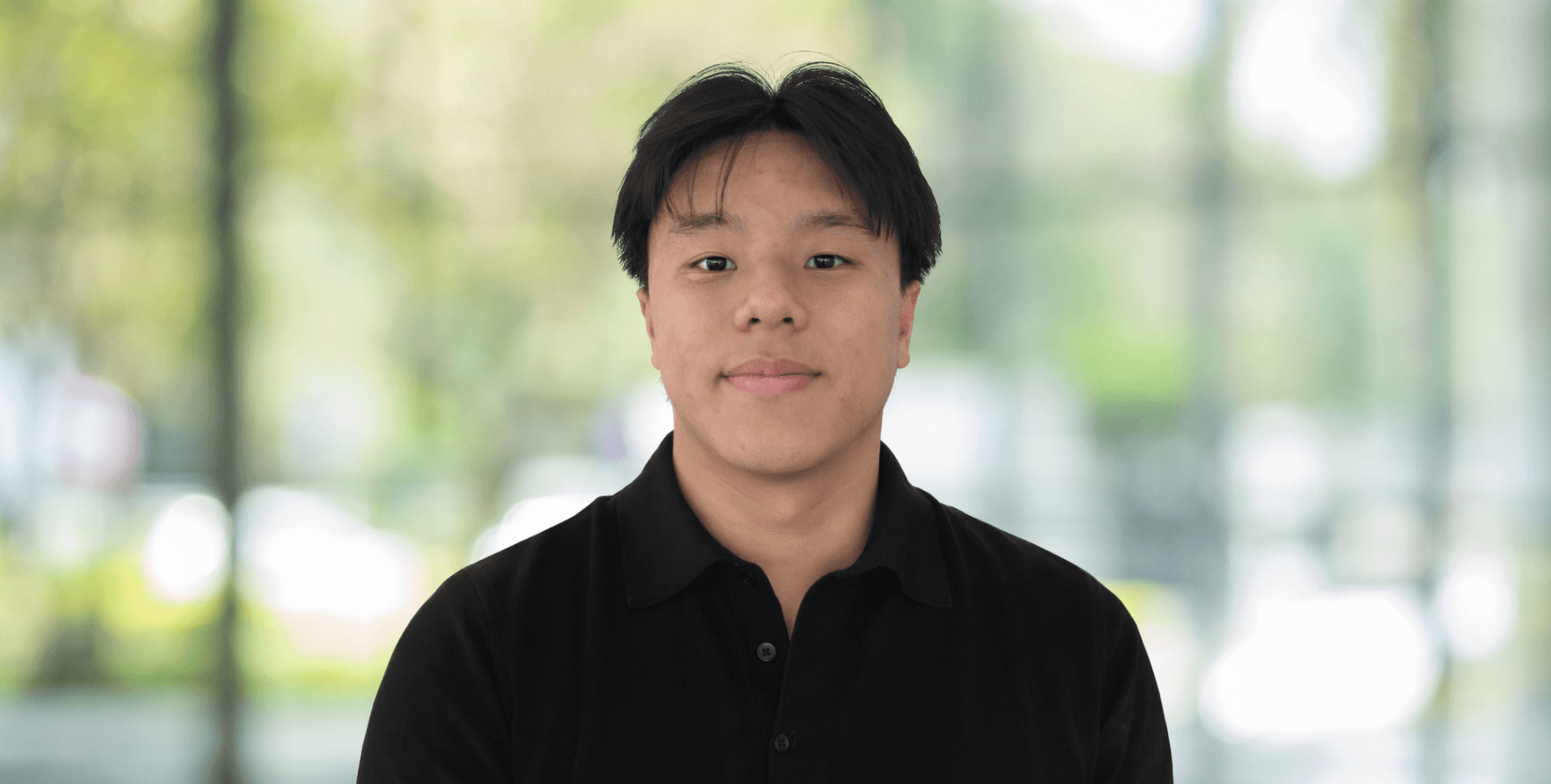
What is your role?
Speech Pathologist
What is a fun fact about you that people may not know?
I’m into golf and try to get out on the course most weekends. Big on food too – always keen to check out somewhere new to eat. And when I get the chance, I love heading up to the snow for snowboarding.
Why did you choose to work in this industry?
I wanted to do work that actually makes a difference, and this ticks that box. I like helping people communicate and get more out of their everyday, and being part of the community side of it – supporting people where they live, learn and hang out – is a big part of why I enjoy it. Seeing people make progress over time, even in small ways, is what makes it worth it.
What do you love about your role?
No two days are the same. One session I might be helping a young client build language through play, and the next I’m working with an adult trialing communication technology to support their independence. I love the variety – working across different ages, settings and goals keeps things interesting. But mostly it’s seeing the progress: a first clear request, a new sound clicking into place, or a support worker gaining the confidence to keep the work going day to day. Being part of a good multidisciplinary team of OTs, behaviour support practitioners and psychologists makes it even better.
What does an average day in your role look like?
It’s usually a mix of settings. I might head into the office to finish admin and reports, start the day with a few telehealth sessions, head out to home visits, or attend school visits. Sessions could be anything from language and literacy work to Augmentative and Alternative Communication Tools (AAC) or mealtime support.
Can you recall a time when you helped make a difference in someone’s life?
I worked with a client who had very few ways to let people know what they needed day to day. Over a series of sessions we introduced an AAC system – a tool that gives someone another way to communicate when speech isn’t accessible, like a picture board or speech-generating device – and I showed their support workers how to use it in everyday situations so the client could adjust naturally. The turning point was seeing them independently request something they wanted for the first time – a small thing on paper, but a big step for their independence, and for the people who could finally understand them.
If you’d like to chat with one of our friendly clinicians like Adrian, you can get in touch here. Alternatively, if you are interested in a career at LiveBig or would like to find out more on positions available, click here.