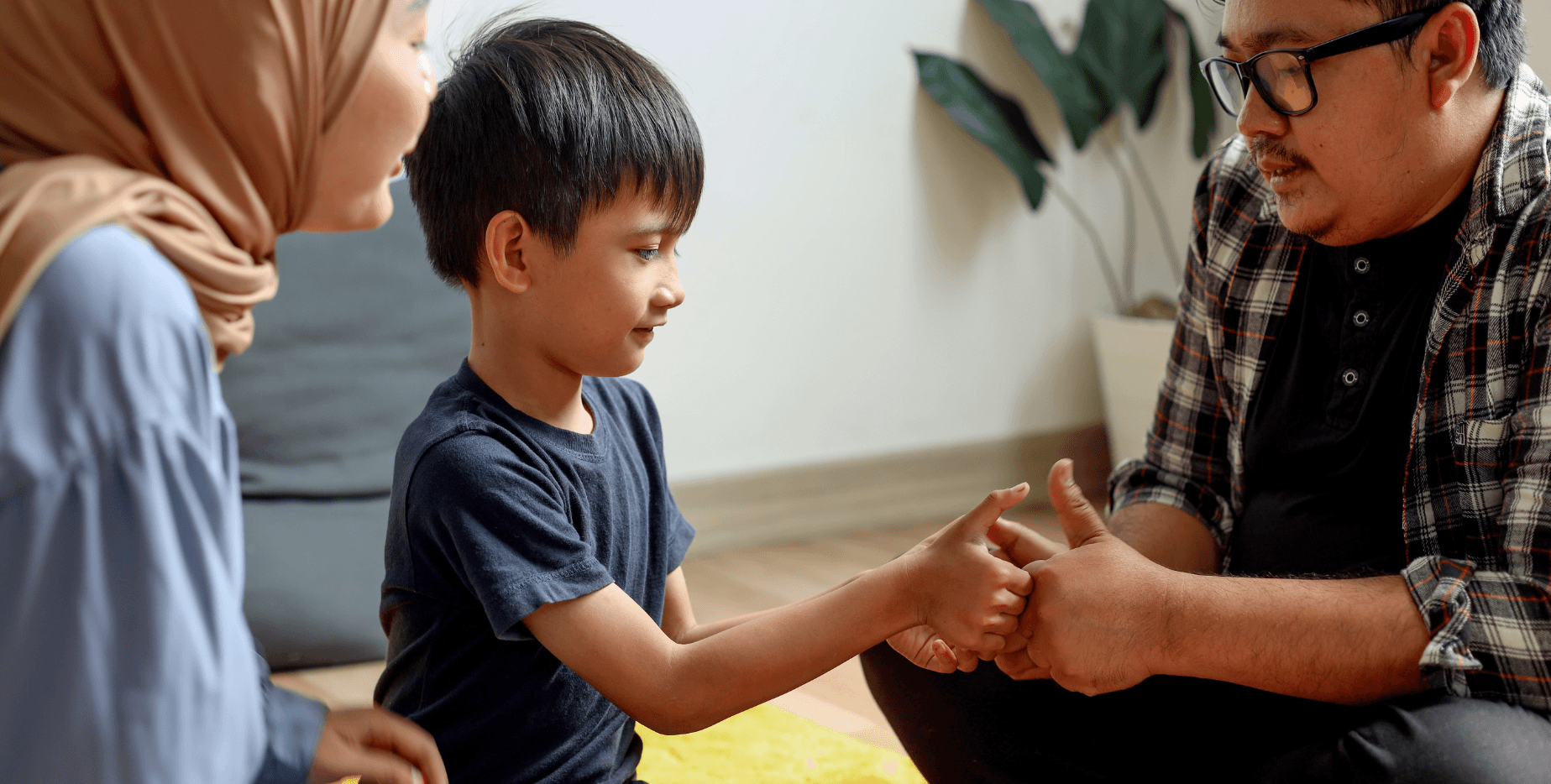
When a family member is experiencing behaviours of concern, it can affect every aspect of daily life. Parents, carers and siblings may feel overwhelmed, exhausted or unsure where to turn for support. The good news is that families do not have to navigate these challenges alone.
Positive Behaviour Support (PBS) practitioners work alongside participants and their families to understand what is behind behaviours of concern and develop practical strategies that improve quality of life for everyone involved.
At LiveBig, we believe families are experts in their own experiences. That’s why collaboration sits at the heart of everything we do.
What Is Positive Behaviour Support?
Positive Behaviour Support is an evidence-based approach that focuses on understanding why a behaviour is occurring and identifying ways to meet a person’s needs in a positive, respectful and person-centred way.
Rather than focusing solely on changing behaviour, PBS practitioners work to improve a person’s wellbeing, independence, communication, relationships and participation in everyday life.
The goal is to create environments where people can thrive while reducing behaviours that may impact their safety, wellbeing or quality of life.
Why Are Families So Important in Positive Behaviour Support?
Families often know the participant better than anyone else. They have valuable insights into:
- Daily routines
- Communication styles
- Strengths and interests
- Triggers and challenges
- Successful strategies from the past
- Goals and aspirations
By working closely with families, PBS practitioners gain a deeper understanding of the participant’s life and can develop strategies that are practical, meaningful and sustainable.
This collaborative approach also helps ensure that support strategies can be used consistently across different environments, including the home, school, workplace and community.
What Does a Positive Behaviour Support Practitioner Actually Do?
Every participant’s situation is unique, but PBS practitioners typically work with families in several key ways.
Getting to Know the Participant
The first step is building a relationship with the participant and the people who support them.
A PBS practitioner may spend time talking with family members, observing daily routines and learning about the participant’s strengths, interests and goals.
This allows them to develop a complete picture of what is happening and identify opportunities for positive change.
Understanding Behaviours of Concern
Behaviours are a form of communication. Often, there is an underlying reason why a behaviour occurs.
A PBS practitioner works with families to identify:
- What happens before a behaviour occurs
- What happens afterwards
- Environmental factors that may contribute
- Unmet needs
- Communication difficulties
- Sensory or emotional triggers
Understanding these factors helps uncover the purpose that a behaviour may be serving.
Developing Practical Strategies
Once the reasons behind a behaviour are understood, the practitioner works with the participant and family to develop personalised support strategies.
These might include:
- Improving communication skills
- Teaching coping strategies
- Adjusting routines or environments
- Building independence
- Developing social skills
- Increasing opportunities for choice and control
Strategies are designed to be realistic and fit within everyday family life.
Supporting Families to Build Confidence
One of the most important roles of a PBS practitioner is empowering families with knowledge and practical skills.
Families may receive support to:
- Understand behaviour and its underlying causes
- Respond consistently to challenging situations
- Use positive communication techniques
- Implement behaviour support strategies at home
- Advocate for their family member across different settings
This shared learning helps families feel more confident in supporting their loved one and achieving positive outcomes.
Working With Other Support Networks
Positive Behaviour Support is most effective when everyone is working towards the same goals.
PBS practitioners often collaborate with:
- Teachers and school staff
- Support workers
- Occupational therapists
- Speech pathologists
- Psychologists
- Support coordinators
- Other healthcare professionals
This team approach helps create consistency and ensures strategies can be applied across different environments.
A Focus on Quality of Life
At its core, Positive Behaviour Support is about helping people lead fulfilling, meaningful lives.
Success is not simply measured by a reduction in behaviours of concern. It is also reflected in outcomes such as:
- Increased independence
- Greater participation in community activities
- Improved relationships
- Better communication
- Enhanced emotional wellbeing
- Achievement of personal goals
These outcomes benefit not only the participant but also their family and support network.
How LiveBig Supports Families
At LiveBig, our Positive Behaviour Support practitioners work in partnership with participants, families and carers to create individualised, strengths-based support plans.
We take the time to understand each person’s goals, challenges and unique circumstances, helping families build confidence and develop practical strategies that support long-term positive outcomes.
Whether you’re seeking support for a child, teenager or adult, our team is here to help you navigate the journey together.
Want to learn more about Positive Behaviour Support? Contact LiveBig today to discuss how our experienced practitioners can support you and your family.